

Business Services
MicroEd have staff dedicated to servicing business through our Professional Services division.

MicroEd have staff dedicated to servicing business through our Professional Services division.

Web Design, Development, Maintenance, Affordable Domains and Hosting is what we specialise in.
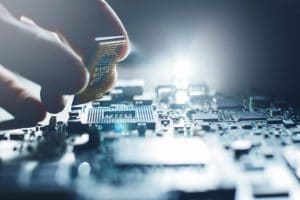
Computer and Laptop Sales, Servicing and Repairs. Certegy financing available.

MicroEd Computers is your one stop solution provider for all your Computer and IT needs.
Established in 1984 and located in Caboolture, MicroEd offers New Computer Sales, Computer Upgrades, Servers, Networking, IT Support, Managed Services, Service Level Agreements, Computer Repairs & Solutions, Phone Systems and Professional Advice. Call us now on 07 54990822 or come in and talk to our friendly qualified staff.
When it comes to computer servicing and repairs our technicians have a vast range of experience. We solve all types of problems on a daily basis. MicroEd is well known in the area for its friendly service and Quick Turn-Around time.
Call us or submit a support ticket for phone tech support.
Contact us and book one of our friendly technicians for an on-site visit.
I have been dealing with them for 4 years and they are fantastic, definitely recommend MicroEd computers. One happy customer


Had what I needed at a reasonable price.

 I cannot recommend Micro Ed strongly Brilliant!! Thank you Glenn and team brilliant service


Glenn & his staff have always impressed with their courtesy, dedication, expertise & willingness to help. Glenn has looked after this company for many years and we are happy to recommend him to others.

Glen and his team are amazing. Nothing is a problem and when you live 2000 km;s from your IT person that is something. I would recommend Glen and his team to anyone wanting expert IT support or solutions.
Over a number of years now we have trusted Micro-Ed with all of our Business and Personal computer/IT needs. They are prompt and friendly in all dealings. Thank you Glenn and team.
Your support is amazing.

The team at MicroEd are super efficient, helpful and professional. They are always very happy to talk you through a technical issue or are very prompt if they need to come to your home or workplace. If there were... read more

MicroEd are phenomenal! They are so professional, friendly, efficient and knowledgeable. Nothing is ever an issue for them to help with. Highly recommend them to anyone; whether needing their services for business or personal computer and internet needs.

Great service fixed my problem with ease

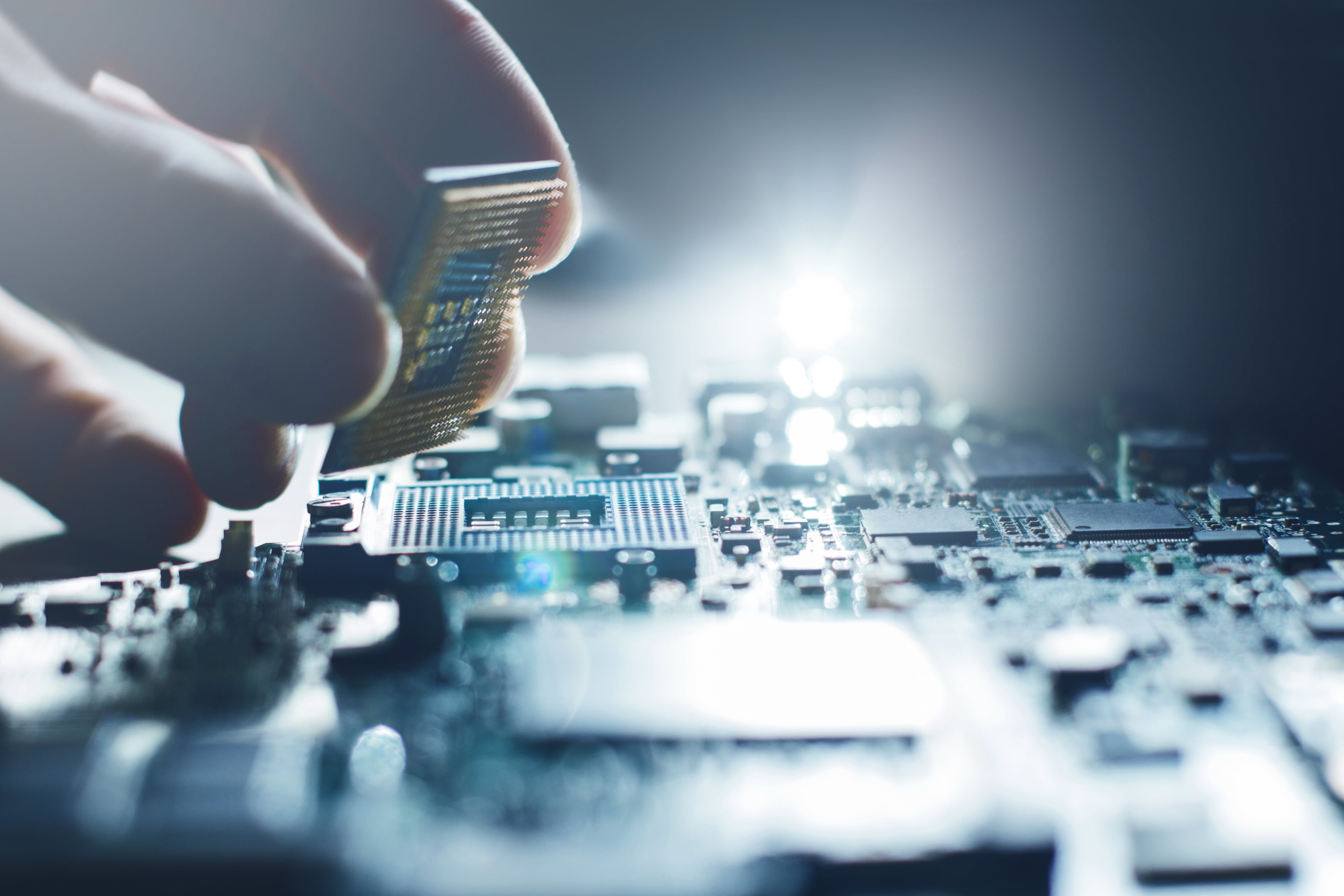
Computer parts are many and varied

Glenn and his team are outstanding. Nothing is an issue. Always on hand when I need them. Glenn has spent hours working on software for our OPG machine. Amazing. ... read more

Glenn and his team has helped my business numerous times and I have always had great service. Glenn's depth of knowledge along with his interest in my business needs have helped me streamline my processes through implementing software and hardware... read more

We have found Glenn and MicroEd very experienced, friendly, professional and above all else to provide excellent service. The proactive thinking by their team has resulted in a solution to our I.T. issues that has exceeded all of our expectations.... read more
Thank you Glenn for your expert help once again. You are truly amazing. Today when I had a technical problem within no time remotely you had it all fixed for me. Your knowledge and help with all matters is always... read more

We chose MicroEd to take care of the website design and IT set up for our new practice. What a great decision!!! Thanks Glenn.
Couldn't be happier. Had both my work laptop and desktop pc updated. Service, communication, quality of workmanship, speed and helpfulness are all top notch. I couldn't ask for better.

We have changed software systems and this involved a fair bit of hardware change and upgrade. The MicroEd team, proved to be exceptionally knowledgable in all areas and very keen to have a quick response to queries at all times.We... read more
We are two retired people who had a meltdown with our computer and so consequently had to buy another. We were referred to your shop on Morayfield Rd, which we did last Saturday the 4th. We met John who proceeded... read more
The MicroEd team have always shown great professionalism and demonstrated knowledge and understanding of our individual computing needs. The tireless efforts of Glenn and Duane are always much appreciated as over the past eighteen months we have updated our website... read more
So helpful, and experts at thier job
My laptop was very unwell, now it is so much better. Go to the Techs who know what they are talking about.
We approached MicroEd to assist us with the upgrade of our business technology. Our company needed someone who was straight talking and had the ability to be there when we needed them as we had many troubles in the past... read more
Service is not only thorough but friendly. They're not afraid speak up if what you propose is overkill or not compatible with your system rather than just installing whatever you ask thoughtlessly and charging you.
They have a fairly wide variety... read more
Computer died and needed repair urgently. They were super helpfull and knowledgable and saved the day! Thanks so much guys

Great service, fast and can tailor a solution to your needs.
Thank you Glenn and the MicroEd team. You make the ongoing challenge of I.T. a manageable task rather than a constant head-ache. Its a pleasure to deal with friendly and reliable professionals who help us achieve the I.T. outcomes necessary... read more
Its a refreshing change to find a computer store that actually knows what they are talking about.

Where do I start. We have been working closely with Glenn and the team at MicroEd since 2009. In this time MicroEd have consistently shown that they really are IT experts.
The ability of their team to... read more

We have utilised the services of MicroEd Computers & Web Services for a range of issues including installation and setting up of new computer systems and the setting up of new Wi-Fi enabled printers.” “MicroEd also host our company’s website... read more
Fantastic service from Glenn and the team at MicroEd computers. Thanks again for your many years of keeping our computer systems and website working smoothly.
MicroED has assisted our business for the last 18 months and we are extremely happy with their service. Glenn and the team have provided professional and prompt assistance when we've needed them most.

We started using Glenn and his team at Microed when one of our suppliers recommended we give them a try. Since then we have valued their reliable service and advice especially their recommendation of late to introduce office 365. The... read more
Where do I start. We have been working closely with Glenn and the team at MicroEd since 2009. In this time MicroEd have consistently shown that they really are IT experts.
The ability of their team to... read more
I cant recommend Glen & his team highly enough. My business relies on my computers, and if there is a problem, MicroEd are prompt with their assistance.

Dear Glenn, I have had my computer into your workshop twice in the last couple of weeks. I would like to thank your staff, (especially John, George & Alex, who were the only ones that I have had dealings with)... read more
Glenn knows exactly what he's doing, gets straight to the point and has a response time that makes Usain Bolt nervous! Give him your business and all of your money, you won't be disappointed!

We have found Glenn and staff at MicroEd to be extremely helpful in dealing with our computer problems. Nothing is too much trouble, even the more minor ones we sometimes encounter. We would be lost without them and would recommend... read more
Thank you so much the friendly team at MicroEd. I am self employed and on a modest income, the team at MicroEd treated me as if I was their number one client. I received friendly and professional service when I... read more
Good ideas, fast response time, IT expertise and reliability make MicroEd our preferred IT support team. They have designed the Computer infrastructure as our business has grown so that it continues to meet our business needs rather than impeding our... read more
3 months ago we engaged Glenn & his team at MicroEd and our experience in this time has been of the highest standard. Glenn is a total professional that has treated our business with a level of dedication and respect... read more
We have always found all staff at MicroEd to be efficient, knowledgeable and very aware and conscientious of our business needs. Whenever we have had a problem, their response has always been prompt. They have assisted us from all aspects... read more
December 20, 2023

April 11, 2023

April 3, 2023
February 27, 2022